Strategic planning is an important part of organizational success. Whether your business is...
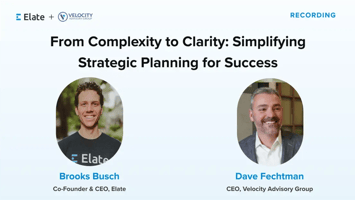
Strategic planning is a critical process for organizations aiming to align their long-term goals with actionable initiatives. In our recent webinar, Velocity Advisory Group CEO Dave Fechtman and Senior Advisor Tom Feledick explored the nuances of strategic planning, drawing from their extensive experience.
5 Key Takeaways
- Duration and Horizon: Determine the appropriate timeline for your strategic plan, but adjust based on industry dynamics.
- Session Design: Ensure the planning session is well-designed, interactive, and inclusive of all necessary stakeholders.
- Accountability: Clearly define who is responsible for each initiative and ensure regular tracking and reporting.
- Involvement: Include all relevant parties in the planning process to foster ownership and commitment.
- Focus on Execution: Maintain a strong focus on executing the plan, integrating it into daily operations, and celebrating wins to maintain momentum.
How is strategic planning different from budget planning?
Strategic planning differs from budget or business planning primarily in its horizon and scope. While budget planning typically focuses on the next 12 months, strategic planning looks further ahead, often spanning several years. This long-term view helps organizations set bold visions and align their operations to achieve these goals.
How do you prepare for a strategic planning session?
Preparation is key to successful strategic planning. It involves gathering insights from all critical stakeholders and understanding the organization’s current state. This process ensures that the strategic plan is comprehensive and considers all necessary perspectives. Effective preparation also involves addressing any potential obstacles or “elephants in the room” that could hinder the planning process.
How do you design a strategic planning session?
The design of the strategic planning session is crucial. It should be interactive and involve all relevant stakeholders, from top executives to those responsible for executing the plan. This inclusivity ensures that everyone feels connected to the plan and is committed to its success.
Why do most strategic plans fail at execution?
Execution is often where strategic plans fail. To avoid this, organizations must integrate their strategic plans into daily operations, track progress, and hold individuals accountable for specific initiatives. Regular reviews and adjustments are necessary to keep the plan relevant and effective.
What role do facilitators play in the strategic planning process?
External facilitators can provide objectivity and help ensure that the strategic plan is not seen as belonging to one individual but as a collective effort. They also bring expertise and can help navigate complex dynamics within the organization.
Need support with your organization’s strategic plan to finish the year strong or get next year off on the right foot? Click the button below to set up a complimentary consultation with one of our experts.
Strategic planning is a journey that requires enthusiasm, commitment, and continuous adaptation. Watch the webinar replay below or on YouTube for the full conversation.